Everest Base Camp Trek
Everest Region

Everest Base Camp Trek

Difficulty Strenuous
Duration 14 Days
Max. Altitude 5,555 m/18,225 ft
Best Season Mar-May, Sep-Nov
Lodging & Meals Tea House & Hotel

Everest Base Camp

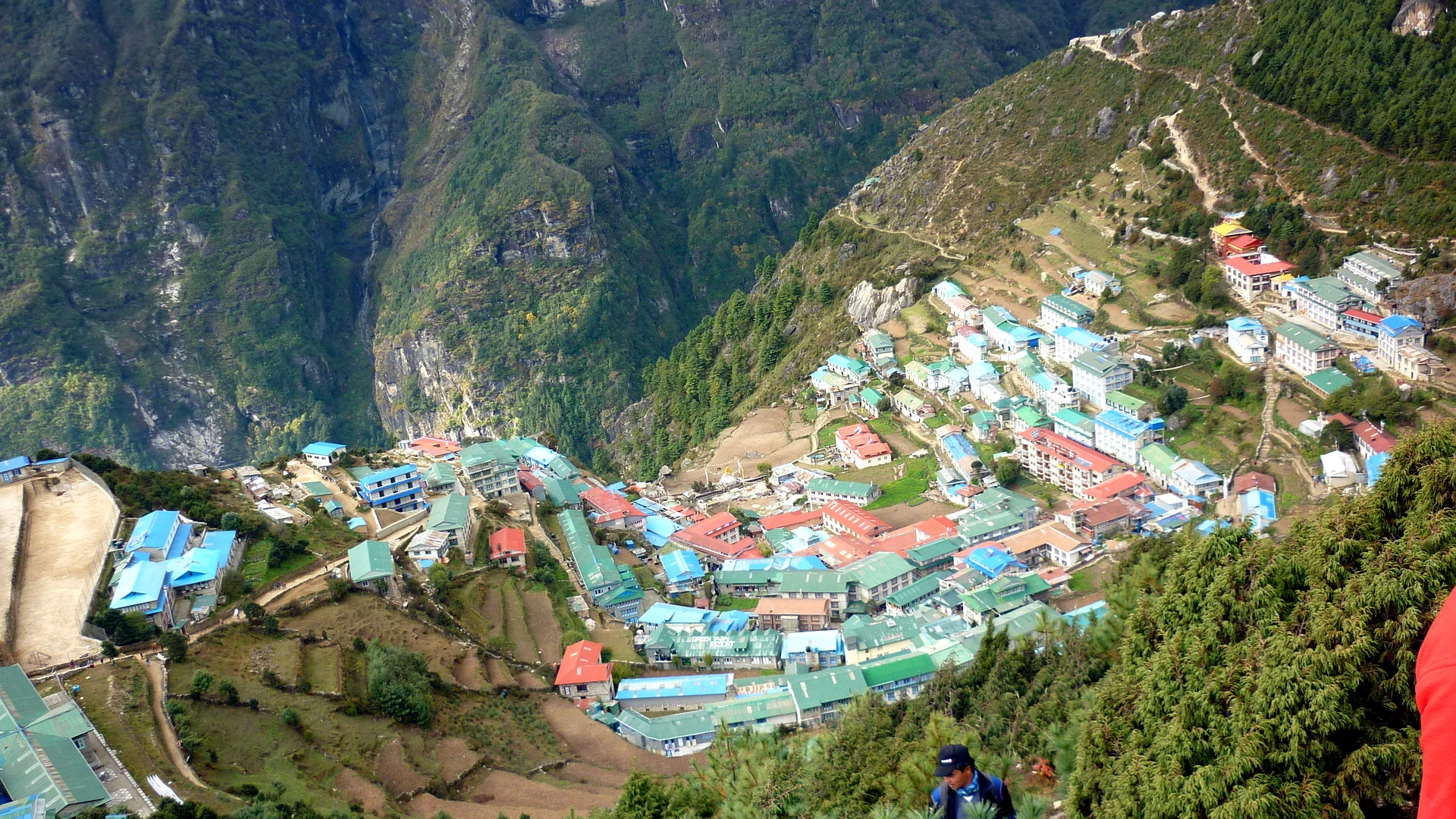
The Everest Base Camp trek is one of the most comprehensive and spectacular alpine adventures in the Himalayas. This legendary journey takes you through Sherpa country to the base of the roof of the world. Along the way, you will discover Tengboche Monastery, acclimatize your body at Namche Bazaar, and finally reach the iconic Everest Base Camp to admire the incredible Khumbu Icefall.

Everest Base Camp Trek

Trail Logs & Itinerary

1
Trekking Day Max Elev: 5,555 m/18,225 ft


• 30-minute scenic flight to Lukla
• Start of trek through traditional Sherpa villages
• Walk: 4 hours

2
Trekking Day Max Elev: 5,555 m/18,225 ft


• Follow the Dudh Koshi River
• Cross several suspension bridges, including the famous Hillary Bridge

3
Trekking Day Max Elev: 5,555 m/18,225 ft


• Entry into Sagarmatha National Park
• Walk: 6 hours
• Hike to Everest View Hotel (3,880 m)

4
Trekking Day Max Elev: 5,555 m/18,225 ft


• Walk: 6 hours

5
Trekking Day Max Elev: 5,555 m/18,225 ft


• Walk: 6 hours

6
Trekking Day Max Elev: 5,555 m/18,225 ft


• Walk: 6 hours

7
Trekking Day Max Elev: 5,555 m/18,225 ft


• Trek to Gorak Shep then walk to base camp
• Night at Gorak Shep
• Walk: 6 hours

8
Trekking Day Max Elev: 5,555 m/18,225 ft


• Sunrise view of Everest from Kala Patthar
• Descent to Tengboche
• Walk: 6–7 hours

9
Trekking Day Max Elev: 5,555 m/18,225 ft


• Walk: 4–5 hours

10
Trekking Day Max Elev: 5,555 m/18,225 ft


• Walk: 6–7 hours

11
Trekking Day Max Elev: 5,555 m/18,225 ft

• Return flight to Kathmandu
• Transfer to hotel in Thamel

Inclusions

  • Airport transfers (international and domestic)
  • Roundtrip Flights from Kathmandu to Lukla
  • Professional French-speaking guide (salary, meals, accommodation and insurance included)
  • Sagarmatha National Park Permit
  • Pasang Lhamu Rural Municipality Tax
  • 3 meals per day during the trek (breakfast, lunch, dinner)
  • Accommodation in lodge/teahouse (twin room)
  • Fresh fruit every evening
  • All government taxes and service charges
  • 2 nights accommodation in Kathmandu
  • 1 porter for 2 people
  • Welcome dinner in Kathmandu

Exclusions

  • Visa for Nepal
  • Travel insurance including high altitude evacuation
  • Meals and accommodation in Kathmandu
  • Personal expenses (Wi-Fi, hot shower, snacks, charging, drinks, etc.)
  • Additional costs due to weather conditions, flight delays or itinerary changes
  • Tips for guide and porter

Frequently Asked Questions

The best seasons for trekking in Nepal are spring (March to May) and autumn (September to November). The weather is generally dry, the skies are clear and daytime temperatures are pleasant for walking, offering spectacular views of the Himalayas.
Good physical fitness is recommended. You must be able to walk between 5 and 7 hours per day over mountainous and sometimes steep terrain. We advise you to practice cardio activities (running, hiking, cycling) a few weeks before your departure.
Our itineraries include gradual acclimatization days to minimize risks. Our guides are trained to detect the symptoms of AMS. In the event of persistent or severe symptoms, the guide will immediately arrange descent to a lower altitude and coordinate an emergency evacuation by helicopter if necessary.
Accommodation is in 'teahouses' (small local mountain refuges). The rooms are simple and shared, with two single beds. Meals are prepared on site and feature energetic local cuisine like Dal Bhat (rice, lentil and vegetable soup), as well as Western dishes (pasta, soups, eggs, bread).
Yes, it is strictly obligatory to take out travel insurance covering high altitude trekking (up to the maximum height of your route) as well as search, rescue and emergency medical evacuation costs by helicopter.
To protect the fragile Himalayan environment, we discourage the purchase of single-use plastic water bottles. We recommend bringing reusable water bottles and using water purification tablets (like Aquatabs) or a portable filter. You can also buy safe boiled water at teahouses.
The mobile network (Ncell and NTC) works correctly in the lower valleys but becomes weak or non-existent at high altitudes. Most teahouses offer paid satellite Wi-Fi (around $2-$5 per day), but the speed can be slow and unstable depending on weather conditions.